In this universe, we consider the CUSTOMER as GOD. This belief runs deep within us, instilled from a young age. So, can we say that customer centricity and satisfaction are in our very DNA?
Yes its in our DNA.
But sometimes, we forget this and behave quite differently. One such experience of mine became the foundation for this blog.
Back in 2022 I with one friend of mine went on a bike trip to lansdowne, Uttrakhand, India.
As we were in 20’s it was not a planned trip. As adrenaline rush normally affect decision-making in 20’s it was a randomly selected location without any pre-booking. As they say in software industry pay as you use we were like book when you reach. We were taking pitshop and finalising next small course of action.
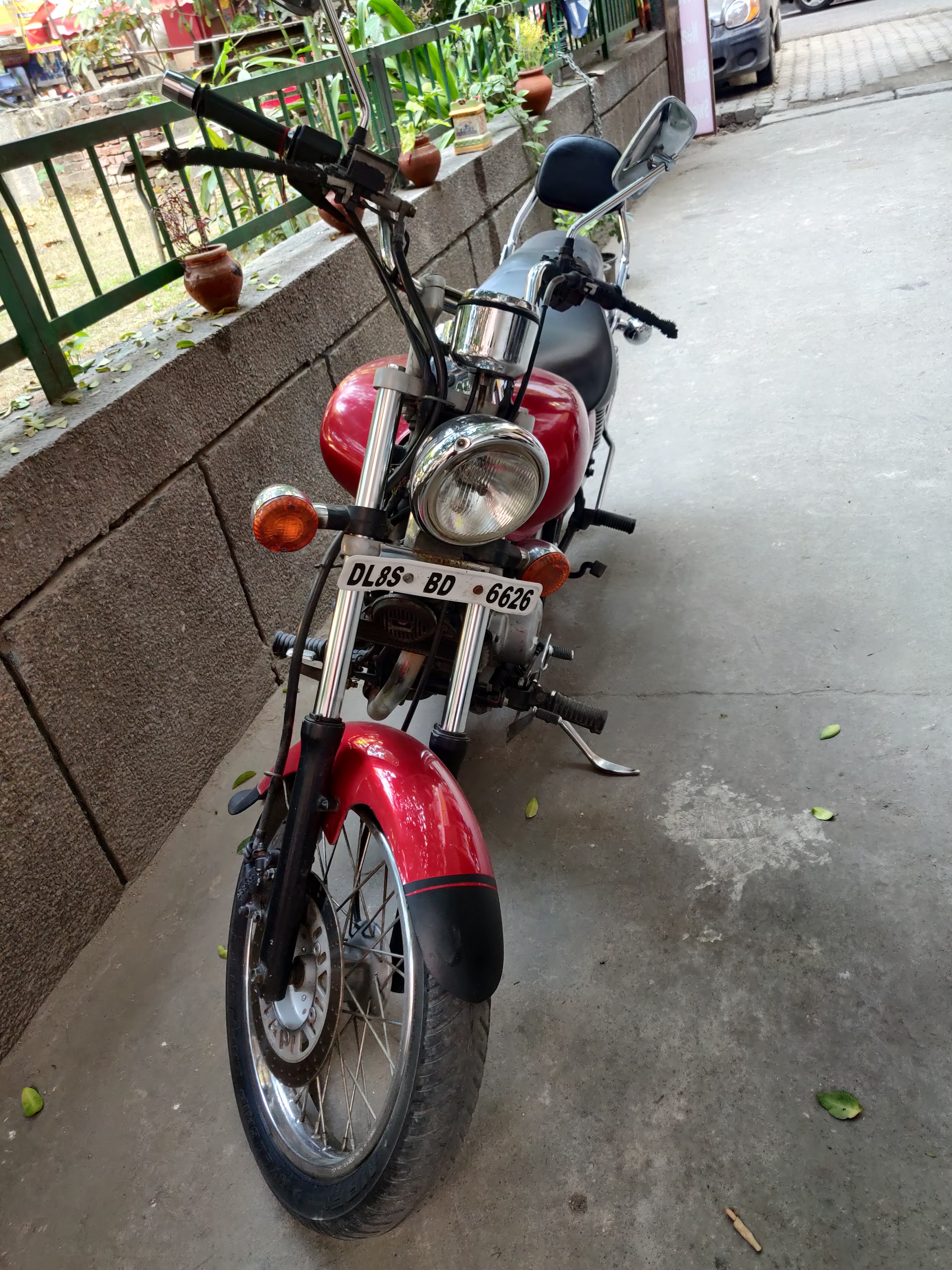
Went on to Lansdowne. Enjoyed our 1 day stay at Lansdowne. In afternoon we decided to head back to Delhi so that we can reach Delhi on time and take rest and go to office on next day. We were full of energy cause trip to mountains boost your energy. But as you move farther from mountains energy starts decreasing. Its in our hand how to keep that energy stored in us.
We decided to return via the same route we had taken earlier, since it felt safer and familiar. The stretch included one or two major towns, but most of it passed through rural areas. Our plan was simple — ride comfortably, stop in one of the cities for food, and then continue.The meal took longer than expected. By the time we finished, it was clear that riding further into the night wouldn’t be wise. So we decided to halt for the night instead and continue ride in early morning. This time, we shifted our route toward the highway and booked a stay through established online platform. Now that accommodation was confirmed and we knew it was just about two hours away, we felt relaxed. The urgency was gone. Everything seemed under control.We resumed our ride.
And then, midway through the journey, the bike’s hand brake failed.
We immediately decided to get the hand brake repaired. However, since we were in a rural stretch, options were extremely limited. The few mechanics available were either closed or unable to fix the issue properly. The one mechanic we did find tried, but he couldn’t resolve the problem.At that point, the situation became more stressful. We couldn’t find any nearby accommodation where we could halt for the night and search for a proper mechanic the next morning.With limited choices and night approaching, we made a calculated decision — to continue riding toward the hotel we had already booked online. We adjusted our riding strategy: relying primarily on the foot brake, maintaining low speed, and staying extra cautious.It wasn’t ideal. But sometimes, decisions are made not because they are perfect — but because they are the only viable option available at that moment.
Somehow, we managed to reach the hotel around 11:30 PM. Physically tired, mentally drained, and riding with a faulty brake for the last stretch — all we wanted was rest.We parked the bike and walked inside.There were no lights at the reception. No hotel executive. No movement. The place felt deserted. After a few moments, we noticed someone sleeping on a sofa in the lobby. We woke him up and asked for the room keys.
His response was blunt:“The hotel is full.”
We calmly informed him that we had a confirmed booking.He replied that the hotel had been booked offline for a marriage function and no rooms were available. At that moment, arguing with the so-called manager felt pointless. Instead of escalating emotionally, we decided to contact customer care of the online platform through which we had booked the room.But the response there was equally disappointing.
The executive said they could initiate a refund. They could even provide some compensation.But they could not provide a room in that hotel.
I requested them to arrange accommodation in a nearby property. That too was denied.
Refund.
Compensation.
But no solution.
And there we were — stranded at midnight on a highway, after riding hours with a partially failed brake.
That incident shook me deeply.
As someone working in operations, I understand operational challenges. I understand peak loads, process gaps, coordination failures, and human errors.
But hospitality operations carry a different weight of responsibility. You cannot treat accommodation like a replaceable commodity — especially at midnight, especially when customers are physically present at your doorstep.
In India, hospitality is not merely a business model. It is cultural conditioning. It is embedded in us. We grow up learning that welcoming a guest is a matter of honor.I had previously written a blog about how deeply hospitality runs in our veins.vAnd in that moment, being treated as just a refundable transaction was unacceptable — at least for me.
That night was not about a failed booking.It was about the gap between what we claim culturally and how we execute operationally.
What disturbed me the most were two hard realities I struggled to accept.
First — the hotel manager was not even attempting to accommodate us. There was no effort to explore alternatives, no sense of urgency, no ownership of the situation.
Second — the customer support executive from the online platform handled the case as if it were a routine ticket. The conversation revolved around refund policies, compensation amounts, and process limitations — but not around resolution. Not once did it feel like someone was thinking,
“Two customers are physically stranded at midnight. What can I do right now to solve this?”
That night raised many questions in my mind. But few question stood out above all:
Are we so bound by digital systems and predefined processes that even when we want to help, we no longer can?
Have we designed systems that optimize transactions but weaken human judgment?
Because customer centricity is not tested when everything runs smoothly.It is tested when systems fail.And in that moment, both the physical system (hotel operations) and the digital system (platform support) failed.
The bigger concern is not about one bad experience.The bigger concern is this:
Are we becoming operators of digital systems?????
Are we loosing human touch to problems?????
That night, standing outside a hotel at midnight, tired and stranded, I understood something very clearly.
Customer centricity is not proven in marketing campaigns.It is proven in moments of inconvenience.
Anyone can process a refund.
Anyone can quote policy.
Anyone can say “system does not allow.”
But not everyone can take ownership.Not everyone can pause and think — What does this person actually need right now?
We often say in this universe, Customer is God But God does not test us when everything is comfortable. God tests us when circumstances are difficult.
That night, we were not asking for compensation.
We were not negotiating policy.
We were simply asking for responsibility.
Technology is powerful. Digital platforms are efficient. SOPs are necessary. Even I being an automation engineer, I love automation.
But when systems overpower empathy, service becomes mechanical.
And when service becomes mechanical, customer centricity becomes a slogan — not a value.
As professionals — whether in operations, IT, hospitality, or utilities — we must ask ourselves: Are we designing systems that serve customers? Or are we hiding behind systems to protect ourselves?
Because in the end, businesses do not grow because of automation. They grow because someone, somewhere, chose ownership over excuse.
Thanks for reading, leave your perception in comments…….
 Blogpost's By Anoop